

When it comes to running, every little detail matters, and that includes the socks you wear. Running socks are not just another piece of clothing; they are a crucial part of your running gear. As a running socks supplier, I've witnessed firsthand the significant differences between running socks and regular socks. In this blog post, I'll break down these differences to help you understand why investing in proper running socks can enhance your running experience.
Material and Breathability
One of the most notable differences between running socks and regular socks lies in the materials used. Regular socks are often made from a variety of materials like cotton, polyester, or a blend of both. While these materials are comfortable for everyday wear, they may not be the best choice for running.
Cotton, for example, is a natural fiber that is soft and absorbent. However, it tends to retain moisture, which can lead to blisters and discomfort during a long run. When your feet sweat, cotton socks can become heavy and soggy, creating a breeding ground for bacteria and unpleasant odors.
On the other hand, running socks are typically made from high - performance synthetic materials such as nylon, polyester, and spandex, along with natural fibers like merino wool in some cases. These synthetic materials are designed to wick moisture away from the skin. They draw sweat to the outer layer of the sock, where it can evaporate quickly. This keeps your feet dry and reduces the risk of blisters.
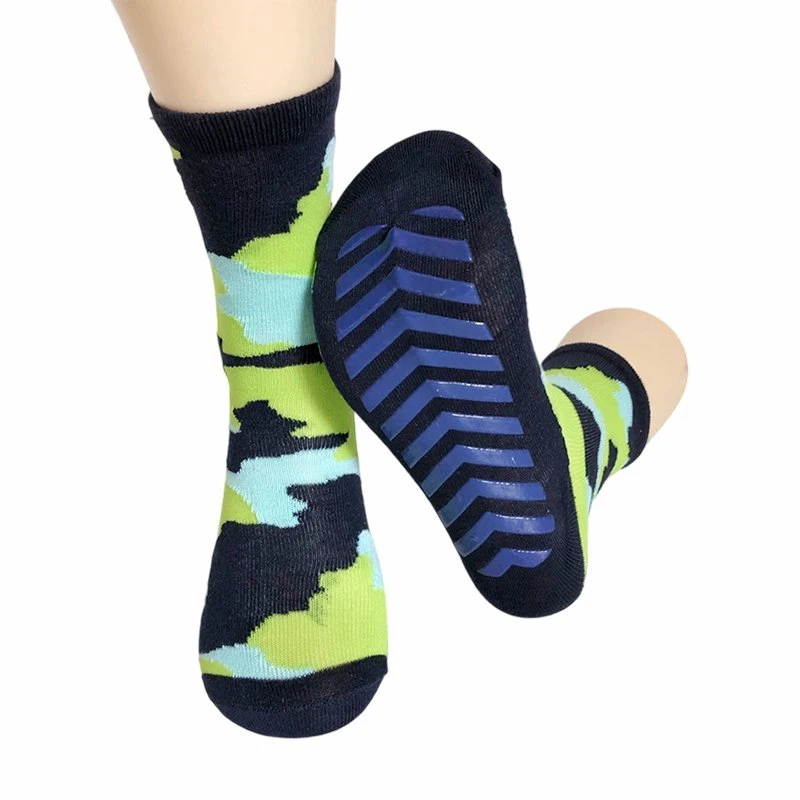
Merino wool is also a popular choice for running socks. It is naturally breathable, moisture - wicking, and odor - resistant. It can regulate your foot temperature, keeping you warm in cold weather and cool in hot weather. Our Non Slip Running Socks are made with a blend of these high - performance materials to ensure maximum comfort and performance during your runs.
Cushioning and Support
Running is a high - impact activity that puts a lot of stress on your feet. Regular socks usually have minimal cushioning, which may not be sufficient to absorb the shock of each step. This can lead to foot fatigue, pain, and even injuries over time.
Running socks, on the other hand, are engineered with targeted cushioning. They often have extra padding in areas that experience the most pressure, such as the heel and the ball of the foot. This cushioning helps to reduce the impact of running and provides a more comfortable and supportive experience.
In addition to cushioning, running socks also offer better support. They are designed to fit snugly around the foot, providing arch support and preventing the sock from slipping down. This support helps to maintain the natural alignment of your foot and reduces the risk of sprains and other injuries. Our Thin Running Socks offer a balance of lightweight design and adequate support for those who prefer a more minimalistic feel while running.
Fit and Design
The fit of a sock can greatly affect your running performance. Regular socks are generally designed for a more general fit, which may not be ideal for the dynamic movements involved in running. They may be too loose or too tight in certain areas, causing discomfort and distractions.
Running socks are specifically designed with the shape and movement of the foot in mind. They have a contoured fit that follows the natural curves of the foot, ensuring a snug and comfortable fit. This fit helps to prevent friction and blisters, as the sock moves with your foot rather than against it.
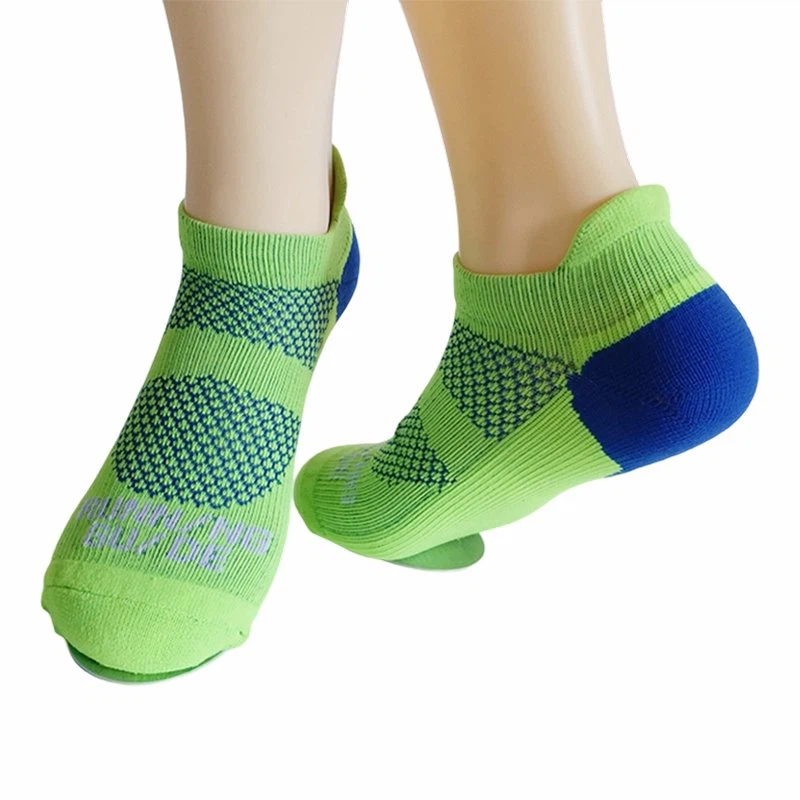
Running socks also come in a variety of designs to meet different running needs. For example, low - cut running socks are popular for those who prefer a more minimalistic look and feel. They sit just below the ankle, providing ventilation and reducing the risk of irritation from the top of the sock rubbing against the shoe. Our Low Cut Running Socks are designed to offer a perfect fit and maximum comfort for short - distance runs and warm - weather running.
Durability
Running is a demanding activity, and your socks need to be able to withstand the rigors of regular use. Regular socks may not be as durable as running socks. They are often made with thinner materials and less - robust construction, which means they may wear out quickly, especially if you use them for running.
Running socks are built to last. They are made with high - quality materials and reinforced stitching in areas that are prone to wear and tear, such as the heel and toe. This ensures that they can withstand the repeated friction and stretching that occurs during running. As a running socks supplier, we take pride in the durability of our products, ensuring that they can keep up with your running routine.
Cost
In general, running socks tend to be more expensive than regular socks. This is due to the high - quality materials, advanced technology, and specialized design that go into making them. However, when you consider the benefits they offer, such as improved comfort, performance, and durability, the investment is well worth it.
A good pair of running socks can enhance your running experience, reduce the risk of injuries, and last longer than regular socks. It's important to view running socks as an essential part of your running gear, rather than just an accessory.
Conclusion
In conclusion, the differences between running socks and regular socks are significant. Running socks are designed to meet the specific needs of runners, offering better moisture management, cushioning, support, fit, durability, and performance. As a running socks supplier, we are committed to providing high - quality running socks that can help you achieve your running goals.
If you're a runner looking to improve your performance and comfort, it's time to invest in a pair of proper running socks. Whether you're a casual jogger or a competitive athlete, our range of running socks has something for everyone.
If you're interested in purchasing our running socks in bulk for your store or team, we'd love to hear from you. Contact us to start a discussion about your specific requirements and let's work together to find the perfect running socks for your needs.
References
- "The Science of Socks: How They Affect Your Running Performance." Running Magazine.
- "Choosing the Right Running Socks." Runner's World.