

Do running socks prevent blisters? This is a question that many runners, from casual joggers to seasoned marathoners, often ask. As a running socks supplier, I've delved deep into this topic to understand the science behind blisters and how our running socks can play a crucial role in preventing them.
Understanding Blisters
Blisters are fluid - filled pockets that form on the skin, typically as a result of friction, heat, and moisture. When you run, your feet are constantly in motion inside your shoes. The repeated rubbing of the foot against the sock and the shoe can cause damage to the top layer of skin. The body responds by creating a protective cushion of fluid between the damaged layers of skin, which we recognize as a blister.

Heat also plays a significant role. As your feet heat up during a run, the skin becomes more sensitive and prone to damage. Moisture, whether from sweat or external sources like rain, exacerbates the problem. Wet skin is softer and more likely to break down under friction compared to dry skin.
How Running Socks Can Help
Material Matters
The material of running socks is of utmost importance. Our running socks are made from high - performance materials that are designed to wick away moisture. For example, many of our socks contain synthetic fibers like polyester and nylon. These fibers have excellent moisture - wicking properties, which means they draw sweat away from the skin and towards the outer layer of the sock, where it can evaporate more easily. By keeping your feet dry, we reduce the chances of the skin softening and becoming more susceptible to blisters.
In addition to synthetic fibers, some of our premium running socks also incorporate natural fibers like merino wool. Merino wool is not only soft and comfortable but also has natural moisture - wicking and temperature - regulating properties. It can absorb a significant amount of moisture without feeling wet, and it helps to keep your feet at a more stable temperature, reducing the heat - related stress on the skin.
Design Features
Our running socks are engineered with specific design features to minimize friction. For instance, we use seamless toe construction in many of our models. The traditional seam at the toe can be a major source of friction, especially if it rubs against the end of the shoe or the toes themselves. With a seamless toe, there is no rough edge to cause irritation, reducing the risk of blisters forming on the toes.
Another important design aspect is the arch support. Our Arch Support Running Socks are designed to fit snugly around the arch of the foot. This not only provides support during the run but also helps to keep the sock in place. When a sock moves around inside the shoe, it creates additional friction. By keeping the sock firmly in position, we reduce the chances of friction - induced blisters.
Anti - Slip Technology
Sliding inside the shoe is a common cause of blisters. That's why we offer Non Slip Running Socks. These socks have special anti - slip grips on the sole. The grips prevent the sock from sliding around inside the shoe, ensuring that the foot remains in a stable position. As a result, there is less rubbing and friction between the foot, the sock, and the shoe, which significantly reduces the risk of blisters.
Different Types of Running Socks for Different Needs
Low Cut Running Socks
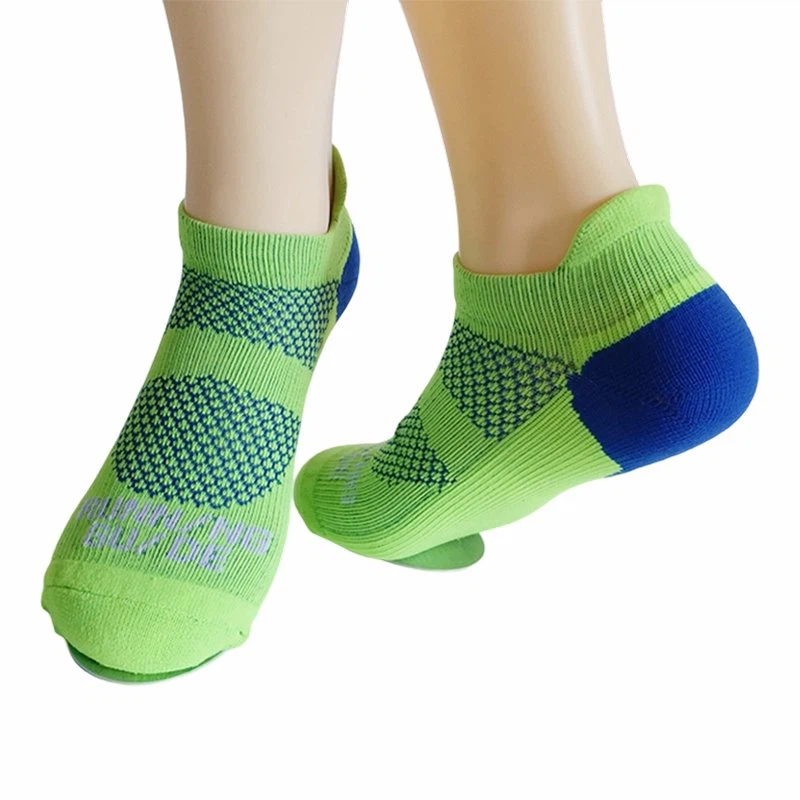
For runners who prefer a more minimalist look or who wear low - cut shoes, our Low Cut Running Socks are an excellent choice. These socks provide all the blister - preventing benefits of our other models but are designed to sit below the ankle. They are perfect for warm - weather runs or for those who don't like the feeling of a higher sock. Despite their low profile, they still offer moisture - wicking and friction - reducing features to keep your feet blister - free.
Mid - Cut and High - Cut Socks
Mid - cut and high - cut running socks offer additional coverage and support. They can protect the lower part of the leg from chafing against the shoe and also provide extra insulation in colder weather. These socks are often used by long - distance runners or those who run in more challenging conditions. The extra length also allows for more surface area to wick away moisture, further reducing the risk of blisters.
Real - World Evidence
We've received numerous testimonials from our customers who have experienced a significant reduction in blisters since switching to our running socks. Many runners who used to struggle with blisters on every run have found that our socks have made a world of difference. For example, one customer who runs marathons regularly reported that after using our arch support and moisture - wicking socks, he no longer had to worry about blisters ruining his races.
The Importance of Proper Fit
Even the best running socks won't prevent blisters if they don't fit properly. A sock that is too tight can restrict blood flow and cause friction in areas where the sock is constricting the foot. On the other hand, a sock that is too loose will move around inside the shoe, creating friction. That's why we offer a wide range of sizes to ensure that every runner can find the perfect fit. We also provide sizing guides on our website to help customers make the right choice.
Conclusion
In conclusion, running socks can indeed prevent blisters. Our running socks, with their advanced materials, innovative design features, and proper fit, are specifically engineered to address the factors that cause blisters. By wicking away moisture, reducing friction, and providing support, our socks help runners keep their feet healthy and blister - free.
If you're a running enthusiast, a sports retailer, or someone looking to source high - quality running socks, we'd love to hear from you. Contact us to discuss your procurement needs and find out how our running socks can meet your requirements.
References
- Engebretsen, L., & Bahr, R. (2003). The Foot and Ankle in Sports Medicine. Lippincott Williams & Wilkins.
- Milgrom, C., & Felson, D. T. (2011). Foot and Ankle Disorders in Athletes. Springer.
- Robbins, S. E., Gouw, G., & Gouw, N. (2007). The effect of footwear and socks on foot blisters in runners. Footwear Science, 1(1), 1 - 10.