

When it comes to football, every piece of equipment plays a crucial role in a player's performance and comfort. Among these, football socks are often overlooked but are essential for both functionality and style. In this blog, as a football socks supplier, I'll explore the differences between short and long football socks to help you make an informed choice for your team or personal use.
Design and Appearance
The most obvious difference between short and long football socks lies in their length. Short football socks typically reach just above the ankle, offering a more streamlined and minimalist look. They are perfect for players who prefer a less bulky feel around their legs or for those who want to showcase their shin guards and cleats. Short socks also provide a modern and sporty aesthetic, which can be appealing to younger players or those following current football fashion trends.
On the other hand, long football socks extend up to the mid - calf or even higher. They have a classic and traditional look that is deeply rooted in the history of football. Long socks are often associated with a more professional and polished appearance, making them a popular choice for official matches and teams with a traditional style. They can also add a touch of elegance to a player's uniform, enhancing the overall visual appeal of the team.
Functionality and Performance
Protection
Both short and long football socks offer some level of protection, but in different ways. Short socks mainly protect the ankle area from friction caused by the cleats and the inside of the shoe. They can also prevent blisters and abrasions in this sensitive area, allowing players to move freely without discomfort.
Long football socks, however, provide more comprehensive protection. They cover the shin guards, which are essential for protecting the lower legs from impacts during tackles and collisions. The socks act as a buffer between the hard surface of the shin guards and the player's skin, reducing the risk of irritation and injury. Additionally, long socks can protect the calf muscles from scratches and minor cuts that may occur during play.
Support
Long football socks are known for their ability to provide support to the lower legs. The compression provided by the socks helps improve blood circulation, reducing muscle fatigue and swelling during and after the game. This is especially beneficial for players who engage in high - intensity matches or long training sessions. The support also helps stabilize the muscles, enhancing the player's balance and performance on the field.
Short socks, while not offering the same level of support as long socks, can still provide a certain degree of stability around the ankle. They can help keep the foot in place inside the shoe, reducing the risk of ankle sprains and twists. This is particularly important for players who make quick lateral movements or sudden changes in direction.
Temperature Regulation
In terms of temperature regulation, short and long football socks have different effects. Short socks allow more air to circulate around the lower legs, keeping them cooler during hot weather. This can prevent overheating and excessive sweating, which can lead to discomfort and decreased performance.
Long football socks, on the other hand, can provide insulation during cold weather. They help retain body heat, keeping the lower legs warm and preventing muscle stiffness. However, in hot conditions, long socks may cause the legs to become too warm, leading to discomfort and potentially affecting the player's performance.
Comfort and Fit
Material and Thickness
The material and thickness of football socks can vary, regardless of whether they are short or long. However, short socks are often made of lighter and thinner materials to ensure maximum breathability and flexibility. This allows for a more comfortable fit around the ankle, without adding unnecessary bulk.

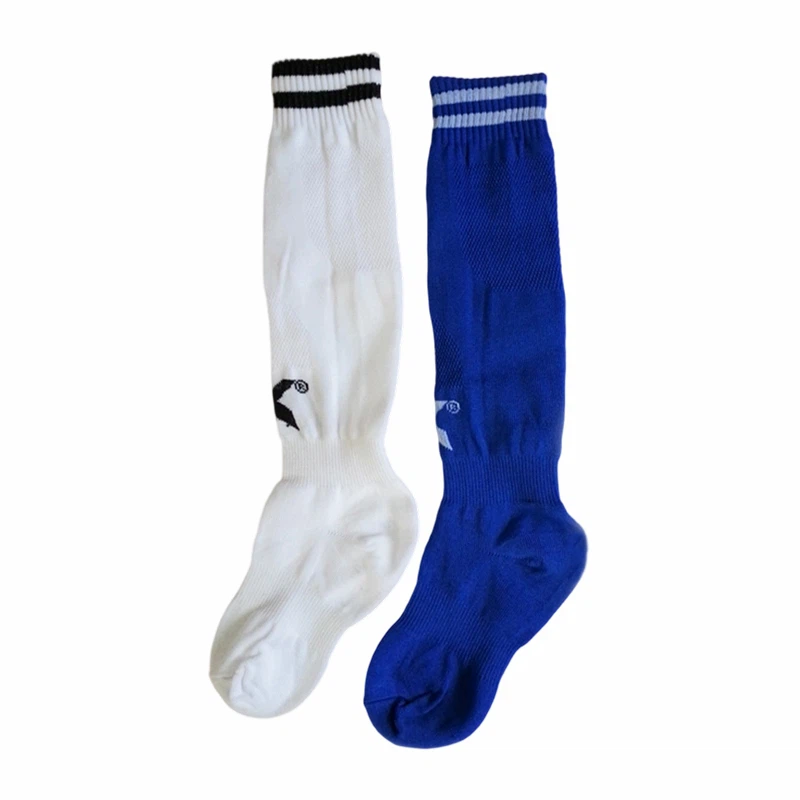
Long football socks, on the other hand, can be made of a wider range of materials, including thicker and more durable fabrics. These materials are designed to withstand the rigors of the game and provide better protection for the shin guards. However, they may also be less breathable than short socks, so it's important to choose a high - quality material that offers a good balance between comfort and performance.
Elasticity
Both short and long football socks need to have good elasticity to stay in place during play. Short socks typically have a tighter fit around the ankle to prevent them from slipping down. They often feature elastic bands or ribbing at the top to ensure a secure fit.
Long football socks, on the other hand, need to be elastic enough to stretch over the calf and stay in place without being too tight. They usually have a wider elastic band at the top to hold them up, while also providing a comfortable fit around the leg.
Usage and Preferences
Age and Skill Level
The choice between short and long football socks can also depend on the age and skill level of the players. Younger players, especially those in youth leagues, may prefer short socks because they are more comfortable and easier to manage. Youth Football Socks are often designed with a focus on comfort and flexibility, making them a popular choice for young athletes.
More experienced players, on the other hand, may prefer long football socks for their added protection and support. Long socks are also more commonly used in professional and high - level competitions, where the need for performance and style is greater.
Playing Position
The playing position can also influence the choice of football socks. Defenders, who are more likely to be involved in physical tackles and collisions, may prefer long football socks for the added protection they provide. Long White Football Socks are a classic choice for defenders, as they offer a clean and professional look while also protecting the shins.
Midfielders and forwards, who need to be more agile and mobile, may opt for short socks. Short socks allow for greater freedom of movement and can help keep the legs cool during fast - paced play.
Conclusion
In conclusion, the differences between short and long football socks are significant in terms of design, functionality, comfort, and usage. As a football socks supplier, I understand that each player has unique needs and preferences, and it's important to choose the right type of socks based on these factors. Whether you're looking for a more modern and minimalist look or a classic and traditional style, there is a football sock option for you.
If you're interested in purchasing high - quality football socks for your team or personal use, I encourage you to contact me for a detailed discussion. We offer a wide range of short and long football socks, including Childrens Football Socks, in various colors, styles, and materials to meet your specific requirements. Let's work together to find the perfect football socks that will enhance your performance and style on the field.
References
- Football Equipment Guide: A Comprehensive Look at the Gear of the Game
- Sports Science Journal: The Impact of Footwear and Apparel on Athletic Performance
- Football Fashion Trends: A Historical Perspective